- Weather Updates
- Daily Forecasts
- Severe weather alerts and warnings
Understanding Severe Weather Alerts and Warnings in Oceanside, CA
Stay informed about severe weather alerts and warnings affecting Oceanside, CA. Get the latest updates on local weather conditions and safety information.
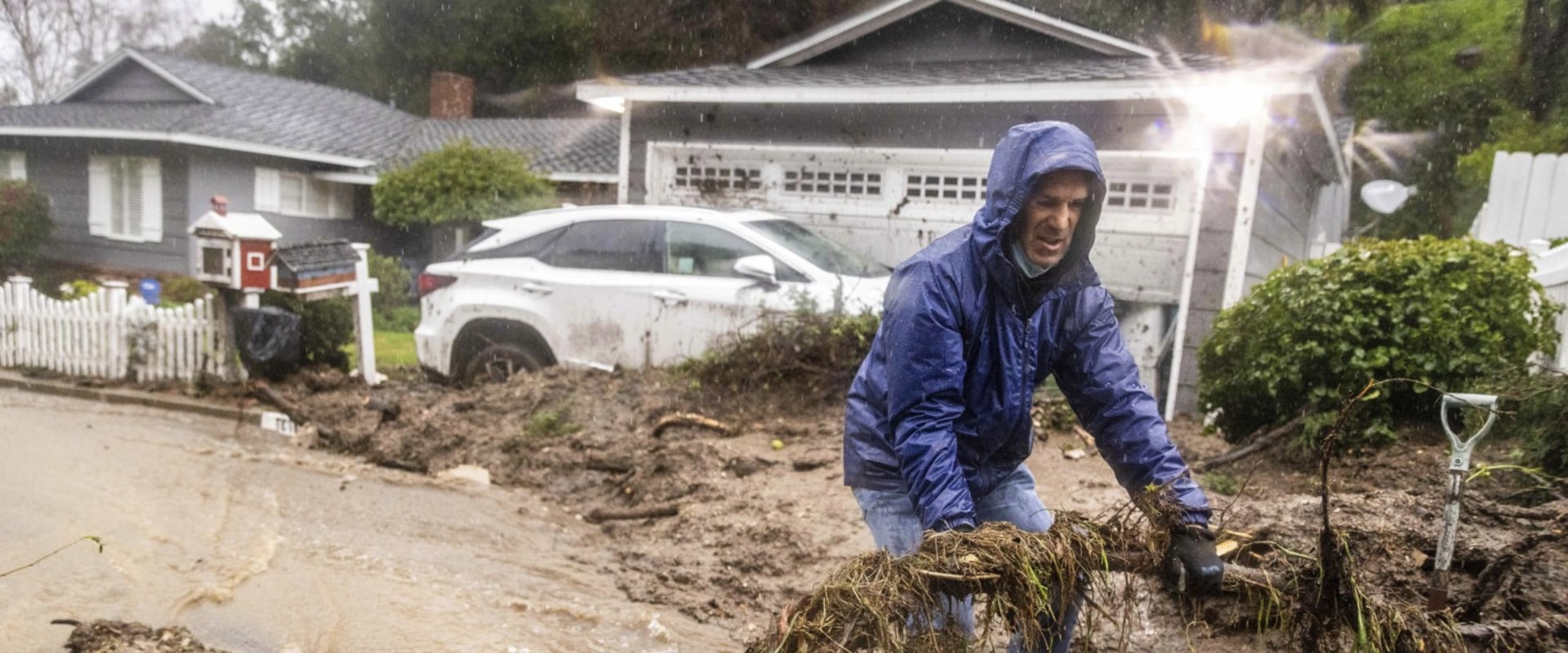
Understanding Severe weather alerts and warningsSevere weather alerts and warnings is crucial for residents and visitors of Oceanside, CA, especially given the region's unique climate challenges. With its beautiful coastline and vibrant community, Oceanside is a popular destination for many. However, the allure of sunny beaches can sometimes be overshadowed by sudden and severe weather events that can pose risks to safety and property. As the climate continues to change, the frequency and intensity of severe weather patterns have become more pronounced. From unexpected thunderstorms to high surf advisories, being informed about severe weather alerts and warnings is essential for preparedness.
In this article, we will delve into the different types of alerts issued by local meteorological authorities, their meanings, and what actions you should take when they are announced. Whether you are a long-time resident or just visiting, understanding these alerts can mean the difference between enjoying a perfect day at the beach and facing unforeseen hazards. Join us as we explore the significance of these notifications and empower yourself with knowledge that can help safeguard your family and friends during inclement weather. Staying informed about severe weather alerts and warnings is crucial for residents of Oceanside, CA. The impact of severe weather can disrupt daily life, affect local events, and pose safety risks to the community. Understanding how these alerts work and their significance can help residents take appropriate actions to protect themselves and their property. The National Weather Service (NWS) issues various types of alerts, each designed to communicate different levels of weather-related threats.
The primary categories include watches, warnings, and advisories. A watch indicates that conditions are favorable for severe weather, meaning that people should stay alert and prepare for the possibility of hazardous weather developing. For example, a tornado watch might be issued when conditions are ripe for tornado formation. In contrast, a warning signifies that severe weather is occurring or imminent. This means immediate action is required to ensure safety.
For instance, if a severe thunderstorm warning is issued for Oceanside, residents should seek shelter and stay indoors until the storm passes. An advisory, on the other hand, provides information about less severe weather conditions that could still pose risks, such as a heat advisory during particularly hot days. Recent examples of alerts in Oceanside include the issuance of heat advisories during summer months or storm warnings during winter storms. These alerts can significantly affect local events such as outdoor festivals or sporting activities. For instance, if a major storm is predicted to hit Oceanside on a weekend when a community event is scheduled, organizers may need to cancel or postpone the event for safety reasons. To stay updated on these alerts, Oceanside residents can utilize various local resources.
City government announcements play a crucial role in disseminating information regarding severe weather alerts and warnings. The city’s official website often posts updates about current conditions and safety recommendations. Additionally, community forums can serve as platforms where residents share experiences and information about local weather conditions. Social media has become an increasingly important tool for quick dissemination of weather updates. Many local news outlets maintain active social media profiles that provide real-time information about weather alerts.
Following these accounts can help residents receive timely updates without having to search extensively for information. Common misconceptions about severe weather alerts often lead to confusion or lack of preparedness. Some individuals may believe that a watch means there is no need to worry, but it’s essential to understand that it serves as a warning to be vigilant. Preparedness is key; knowing when to take precautions can make all the difference in ensuring safety during inclement weather. In summary, understanding the different types of severe weather alerts issued by the NWS is vital for residents of Oceanside, CA. By staying informed through local resources and embracing the advantages of social media, individuals can better prepare for potential threats posed by severe weather.
This proactive approach not only enhances personal safety but also contributes to the overall resilience of the community.
Types of Severe Weather Alerts
When it comes to severe weather alerts, understanding the different types is crucial for residents of Oceanside, CA. These alerts serve as vital communication tools to inform the public about impending severe weather conditions. The National Weather Service (NWS) categorizes these alerts into three main types: watches, warnings, and advisories.Watches
indicate that conditions are favorable for severe weather to develop. For example, a tornado watch means that atmospheric conditions are ripe for tornado formation, but one has not yet been observed.Residents should remain vigilant and prepared to take action if a warning is issued.
Warnings
, on the other hand, signify that severe weather is either occurring or is imminent. A severe thunderstorm warning means that a thunderstorm capable of producing damaging winds or hail has been detected by radar or reported by trained spotters. In such cases, immediate action is required to ensure safety. Finally, advisories are issued when weather conditions may cause inconvenience but are not expected to pose a significant threat to life or property. For instance, a winter weather advisory might alert residents to expect light snow or icy conditions that could impact travel but do not warrant a full-blown warning. By staying informed about these different types of severe weather alerts, residents of Oceanside can better prepare for potential impacts on their daily lives and community safety.Recent Weather Alerts in Oceanside
In recent months, Oceanside has experienced a series of severe weather alerts and warnings that have significantly impacted the community.One notable event was the severe thunderstorm warning issued in early July, which prompted local authorities to advise residents to seek shelter due to the potential for damaging winds and heavy rainfall. This warning not only highlighted the immediate dangers associated with such weather conditions but also served as a reminder of the importance of being prepared for sudden changes in the weather. Another instance occurred in late August when a heat advisory was announced, indicating that temperatures could soar above 100 degrees Fahrenheit. The advisory warned residents, particularly those vulnerable to heat-related illnesses, to take necessary precautions. Local cooling centers were opened to provide relief to those without air conditioning, showcasing the community's responsiveness to severe weather conditions. Additionally, in September, Oceanside faced a winter storm watch as forecasts predicted unusually cold temperatures and possible snow at higher elevations nearby.
While Oceanside itself may not have experienced snow, the surrounding areas did, leading to travel disruptions and increased demands on emergency services. Such alerts are crucial for residents to remain vigilant and informed about potential hazards that could affect their daily lives. These examples illustrate how severe weather alerts and warnings play a vital role in ensuring community safety and preparedness. By staying informed through local news sources and official weather channels, residents can make informed decisions and take necessary actions to safeguard themselves and their families during extreme weather events.
Staying Informed: Local Resources
For residents of Oceanside, CA, staying informed about severe weather alerts and warnings is crucial for safety and preparedness. Fortunately, there are several reliable local resources available to provide up-to-date information.National Weather Service (NWS)
: The NWS is the primary source for weather alerts and warnings.Their website offers real-time updates specific to Oceanside and the surrounding areas. Residents can also subscribe to receive alerts via email or text messages.
Oceanside Fire Department
: The local fire department regularly updates its social media channels and website with important information regarding severe weather conditions. They provide guidance on safety measures and emergency preparedness.Local News Outlets
: Television stations such as NBC 7 San Diego and KFMB CBS 8 offer comprehensive coverage of weather developments. Their websites and broadcasts often include live updates, expert analysis, and community impact stories related to severe weather.Mobile Apps
: Applications like Weather Underground and AccuWeather allow users to customize notifications based on their location.These apps can send alerts directly to smartphones, ensuring residents stay informed on the go.
Community Alert Systems
: Oceanside participates in local alert systems that notify residents about emergencies, including severe weather events. Signing up for these notifications can be done through the city’s official website. By utilizing these resources, residents of Oceanside can ensure they receive timely and accurate information about severe weather alerts and warnings, allowing them to take appropriate action to protect themselves and their families.Community Preparedness
Being prepared for severe weather is crucial for the safety and well-being of residents in Oceanside, CA.Severe weather alerts and warnings
provide essential information that can help individuals and families take necessary precautions. Here are some steps residents can take to prepare for severe weather based on the alerts they receive:First, it is important to stay informed by regularly checking local news sources and weather apps for the latest updates on severe weather alerts and warnings.These platforms provide real-time information that can help residents understand the severity of incoming weather conditions. Next, residents should create an emergency plan that includes communication strategies and evacuation routes. Families should discuss how to stay in contact during severe weather events and where to meet if they need to evacuate their homes. Additionally, assembling an emergency kit can significantly enhance preparedness. This kit should include essential items such as water, non-perishable food, a flashlight, batteries, a first-aid kit, and any necessary medications. Keeping this kit easily accessible ensures that residents are ready to act quickly when severe weather strikes. Another critical aspect of community preparednesscommunity preparedness involves securing the home against potential damage.
Residents should inspect their property for vulnerabilities, such as loose shingles or unsecured outdoor items that could become projectiles during high winds. Taking proactive measures can help minimize damage and keep households safe. Lastly, participating in community preparedness initiatives can strengthen overall resilience. Residents are encouraged to engage in local programs that focus on disaster readiness and recovery. These initiatives often provide valuable resources, training, and information about severe weather alerts and warnings.By taking these proactive steps, residents of Oceanside can better protect themselves and their community from the impacts of severe weather. In conclusion, understanding severe weather alerts and warnings is crucial for the safety and well-being of residents in Oceanside, CA.
By staying informed through local news sources, individuals can better prepare for potential impacts on their daily lives and community safety. It is vital to take these alerts seriously, as timely information can make a significant difference in responding to severe weather events. We encourage readers to engage with community resources and participate in preparedness initiatives to enhance their safety and resilience during challenging weather conditions.